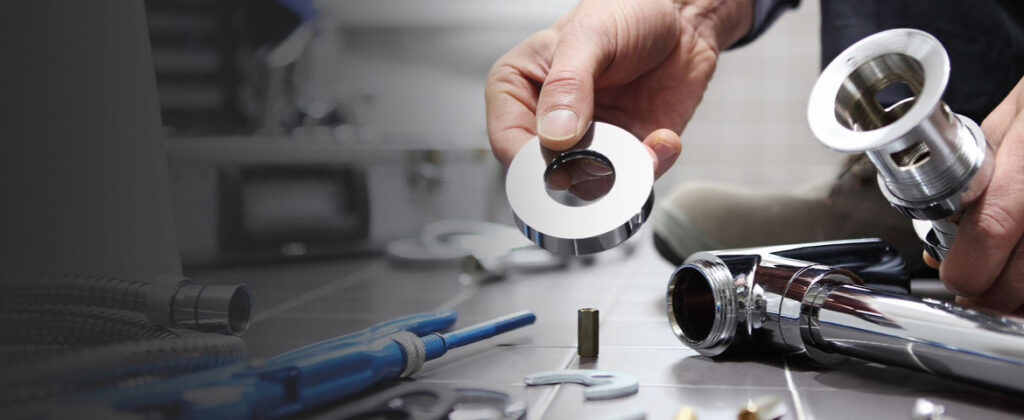
Experts In Basic Plumbing And Plumbing Jobs In Carlsbad

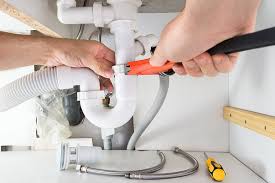
If you are looking for plumbing companies you have come to the right place. The plumbing works are one of the most important services offered by our company since its inception. Whether you are looking for essential plumbing solutions or any aspect related to materials, tools or plumbing repairs, you have to contact us and ask your case.

At Instalaciones Boro, we try to solve different issues such as:

  • Solutions for water supplies
  • Sanitation
  • Sanitation and drainage installations
  • Faucets and toilets installations
  • Fire protection networks

24-Hour Plumbing Service

Whenever you need it, do not hesitate to request the plumber service 24 hours for any breakdown or repair.

In less than you can imagine, we will send an emergency plumber to your home. No matter the day of the week, plumbing service 24 hours a day, including holidays.

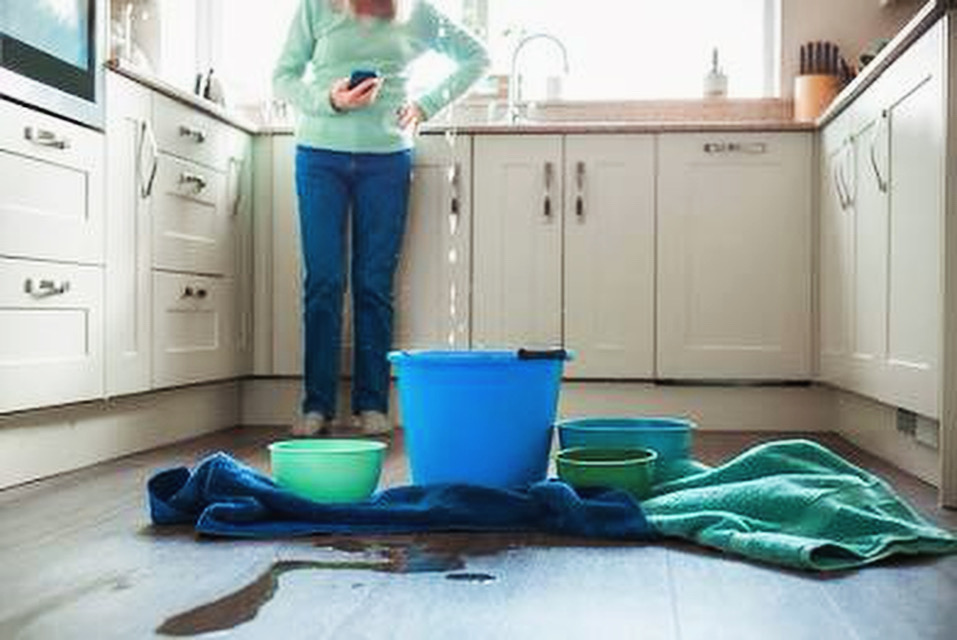
We offer service for any whether it is clogging in the sink or toilet, moisture from any leak, and any problem with pipes, cisterns, showers or baths.

We are also experts in solving issues regarding unblocking toilets, downspouts or drains. In any situation, such as noisy pipes or bad odors, radiators that work poorly, rust on the taps … do not hesitate to contact us!

The Pros and Cons of Hiring a Professional Plumber

When plumbing issues strike, homeowners face a common question: Should I fix this myself or call a professional? While DIY repairs can sometimes save money, they often lead to bigger problems if not handled correctly. On the other hand, hiring a local plumber ensures expertise but comes with its own considerations. If you’ve searched for a plumber near me recently, you might be weighing the benefits and drawbacks of professional plumbing services.

In this article, we’ll break down the pros and cons of hiring a plumber so you can make an informed decision for your home.


Pros of Hiring a Professional Plumber

1. Expertise and Experience

Plumbing systems are complex, and mistakes can be costly. A local plumber has the training and hands-on experience to quickly identify and resolve issues, whether it’s a leaky faucet, clogged drain, or slab leak.

2. Proper Tools and Equipment

Most homeowners don’t own advanced plumbing tools. A professional arrives with specialized equipment for tasks like hydro jetting, camera inspections, or pipe replacement, saving you time and frustration.

3. Compliance with Local Codes

Plumbing work often requires knowledge of building codes and regulations. A certified plumber near me ensures all repairs or installations are compliant, preventing potential fines or future issues when selling your home.

4. Time Savings

Plumbing problems can take hours or even days to fix on your own. A local plumber can often solve the issue in a fraction of the time, allowing you to focus on work, family, or relaxation.

5. Long-Term Cost Savings

While hiring a plumber may seem more expensive upfront, professional repairs prevent recurring issues. Properly fixed leaks, drains, or water heaters reduce the risk of costly damage down the road.


Cons of Hiring a Professional Plumber

1. Higher Upfront Cost

Hiring a plumber near me typically costs more than attempting a DIY repair. Service fees, labor, and parts can add up, especially for emergencies.

2. Scheduling and Availability

Sometimes, you may need to wait for an appointment particularly during peak seasons or for non-urgent repairs. This delay can be frustrating if the problem is disrupting your household.

3. Variable Quality

Not all plumbers provide the same level of service. Choosing the wrong local plumber could result in poor workmanship, incomplete fixes, or unnecessary upselling. This is why researching reviews and referrals is important.

4. Less Control Over the Process

When hiring a plumber, you’re relying on their expertise and methods. For homeowners who prefer a hands-on approach, this can feel limiting.


How to Decide If You Need a Professional

If you’re dealing with a simple issue like replacing a showerhead, DIY may be sufficient. But for larger problems such as slab leaks, sewer backups, or persistent clogs hiring a local plumber is the safer, smarter choice.

When searching for a plumber near me, look for licensed, insured professionals with solid reviews and transparent pricing. A trustworthy plumber will explain your options and provide long-term solutions rather than quick fixes.


Conclusion

Hiring a professional plumber has clear advantages: expertise, time savings, and peace of mind. While there are drawbacks like higher upfront costs or scheduling challenges, the benefits often outweigh the cons for major plumbing issues. Whether you’re facing a small leak or a complex repair, knowing when to call a local plumber is key to protecting your home and avoiding costly mistakes.

So, the next time you find yourself typing plumber near me into a search bar, weigh the pros and cons carefully. A qualified plumber can provide reliable solutions and ensure your plumbing system runs smoothly for years to come.

Find a Reliable Plumber Near Me: Why Local Plumbing Expertise Matters

Plumbing issues don’t wait for a convenient time. Whether it’s a clogged drain, a broken water heater, or a leaking pipe behind the wall, fast and skilled service is critical. If you’re searching for a plumber near me, it’s important to choose someone qualified, licensed, and committed to quality work. A trusted local plumber can make all the difference between a quick fix and a costly repair down the road.

In this post, we’ll explain what to look for when choosing a plumber, why hiring local matters, and how to prepare when plumbing issues arise.


Why Homeowners Search for a Plumber Near Me

Plumbing systems are complex and problems often arise without warning. Homeowners turn to search engines and directories to find a plumber near me because of urgency, convenience, and the desire to work with someone nearby who can respond quickly.

Here are the most common reasons people seek plumbing help:

1. Emergencies

Burst pipes, overflowing toilets, and gas line leaks require immediate attention. In these cases, a local plumber can often arrive faster than a technician from outside the area.

2. Ongoing Maintenance

Routine maintenance like drain cleaning, water heater flushing, or pipe inspections helps prevent costly issues. Establishing a relationship with a nearby plumber makes it easier to schedule and stick to preventive services.

3. Upgrades and Renovations

Bathroom or kitchen remodels often require re-piping, fixture installations, or code-compliant upgrades. A plumber near me is more likely to understand local regulations and inspection requirements.


The Risks of Choosing the Wrong Plumber

Hiring an unlicensed or inexperienced plumber can lead to serious issues, including:

  • Improper installations that violate building codes
  • Water damage due to poor-quality repairs
  • Voided warranties on fixtures and appliances
  • Unsafe gas or sewer line connections
  • Higher long-term costs due to recurring problems

When searching for a local plumber, always verify licensing, insurance, reviews, and experience. Professionalism and accountability matter when you’re entrusting someone with your home.


Qualities to Look for in a Local Plumber

Choosing the right plumber near me is about more than availability. Here’s what sets the best professionals apart:

1. Licensing and Insurance

Always ensure your plumber is fully licensed in your state and carries liability insurance. This protects you from legal or financial liability if something goes wrong.

2. Experience and Specialization

Some plumbers specialize in residential systems, while others focus on commercial or industrial services. Make sure your plumber has experience relevant to your specific problem or project.

3. Transparent Pricing

A reputable local plumber should provide clear estimates upfront—without hidden fees. Ask about hourly rates, material costs, and guarantees before work begins.

4. Reputation and Reviews

Check Google reviews, Yelp, and local directories for feedback from previous clients. High ratings and repeat business are strong indicators of a trustworthy professional.

5. Communication and Responsiveness

Look for plumbers who answer calls promptly, explain repairs clearly, and offer reasonable response times. Good communication is essential to successful service.


The Benefits of Hiring a Plumber Near Me

Beyond quick response times, hiring a plumber near me offers several long-term benefits:

  • Faster Emergency Help – Local plumbers can arrive on-site quickly, minimizing water damage or disruption.
  • Familiarity with Local Codes – A local plumber understands municipal requirements and can handle inspections more efficiently.
  • Support for Local Business – Choosing a nearby plumbing service supports the community and keeps your money local.
  • Ongoing Support and Warranties – Local plumbers are more likely to honor long-term warranties and provide follow-up services if needed.

These advantages are why many homeowners prefer to establish a long-term relationship with a trusted local plumbing provider.


What to Do Before Calling a Plumber

Before picking up the phone or searching for a plumber near me, take a few simple steps:

  1. Document the issue – Take note of noises, leaks, smells, or appliance performance issues.
  2. Shut off the water – If there’s a major leak, turn off your water supply to prevent damage.
  3. Check for warranties – Some fixtures or systems may still be under warranty.
  4. Know your budget – Be ready to discuss budget limits and ask for an estimate.

Being prepared can help the plumber diagnose and fix the issue faster, saving both time and money.


Conclusion

Finding the right plumber near me is about more than solving a leak or unclogging a drain—it’s about protecting your home, your family, and your peace of mind. A licensed, experienced local plumber brings knowledge, speed, and reliability to every job, ensuring the work is done right the first time.

Whether it’s a planned installation or an unexpected emergency, hiring a dependable local professional is the smart choice. Take time to research, read reviews, and choose a plumber who values your trust and takes pride in their work.

Basic Plumbing Fixes and DIY Tips Every Homeowner Should Know

Every homeowner eventually faces minor plumbing problems — a dripping faucet, a slow drain, or a running toilet. While it’s always smart to know when to call a plumber near me, there are many basic plumbing fixes you can handle yourself with a little confidence and the right tools. Understanding some simple DIY techniques not only saves money but can also prevent small issues from turning into costly repairs.


Why DIY Plumbing Skills Matter

Plumbing issues can be inconvenient, but not every problem needs a professional solution right away. Many minor issues can be resolved with simple tools like a wrench, plunger, or plumber’s tape. Taking the time to learn these basics can save you from paying a local plumber for small repairs and give you peace of mind when something goes wrong. That said, it’s just as important to recognize your limits. For anything involving gas lines, major leaks, or sewer problems, you should always call a plumber near me to avoid serious damage or safety risks.


Common Plumbing Fixes You Can Do Yourself

Let’s break down some of the most common plumbing problems you might encounter — and how to tackle them on your own.


1. Fixing a Leaky Faucet

That steady drip-drip sound doesn’t just drive you crazy — it wastes water and increases your bill. In most cases, a leaky faucet is caused by a worn-out washer or O-ring inside the faucet handle. To fix it:

  • Turn off the water supply under the sink.
  • Remove the faucet handle using a screwdriver.
  • Take out the old washer or O-ring and replace it with a matching new one.
  • Reassemble the faucet and turn the water back on.

If the leak persists, it may be time to contact a local plumber to check for deeper valve or pipe issues.


2. Unclogging a Drain

Slow drains are often caused by hair, soap scum, or debris buildup. Before reaching for harsh chemical cleaners (which can damage pipes over time), try these steps:

  • Use a plunger to create suction and dislodge the blockage.
  • For bathroom sinks or tubs, remove the stopper and fish out hair or debris with a wire hanger or plastic drain snake.
  • Pour a mixture of baking soda and vinegar down the drain, followed by hot water, to break up minor clogs.

If the drain remains clogged after these efforts, it’s best to call a plumber near me who can use professional equipment like a drain auger or hydro-jetting.


3. Stopping a Running Toilet

A running toilet can waste dozens of gallons of water a day. Most of the time, the problem is inside the tank:

  • Remove the lid and check if the flapper (the rubber seal over the flush valve) is sealing properly.
  • If the flapper is warped or doesn’t seal tightly, replace it.
  • Check the fill valve and float — if they’re not adjusted properly, they can let water keep flowing.

If you’re unsure or the problem persists, a local plumber can help diagnose less obvious internal issues.


4. Sealing Pipe Leaks

If you discover a small leak in a pipe (like under your sink), you can apply a temporary fix using plumber’s tape or pipe repair clamps.

  • Turn off the water supply.
  • Dry the leaking area completely.
  • Wrap the pipe with plumber’s tape or secure it with a clamp.

Remember, these are only temporary solutions. For a permanent fix, call a plumber near me to replace or properly seal the damaged section of pipe.


Tools Every DIYer Should Have

If you’re serious about handling small plumbing fixes, it’s smart to invest in a basic toolkit. Here’s what you should keep on hand:

  • Adjustable wrench for tightening nuts and bolts.
  • Plunger for unclogging drains and toilets.
  • Plumber’s tape (Teflon tape) for sealing threaded connections.
  • Pipe wrench for gripping and turning pipes.
  • Drain snake or auger for clearing clogs.
  • Bucket and towels to manage water spills.

With these essentials, you can tackle many common plumbing issues confidently and safely.


Knowing When to Call a Professional

Even skilled DIYers need to know their limits. If you’re dealing with any of the following situations, don’t hesitate to call a plumber near me:

  • Major leaks or burst pipes.
  • Sewer line backups or foul odors.
  • Water heater problems.
  • Gas line issues.
  • Repeated clogs that don’t clear with home methods.

A local plumber has the expertise, tools, and licensing to handle complex or dangerous issues, ensuring the repair is done correctly and up to code.


Conclusion

Basic plumbing fixes can save you time, money, and frustration. By learning how to handle minor repairs — like unclogging drains, fixing leaky faucets, or stopping a running toilet — you can keep your home’s plumbing system in good shape. But always remember: when in doubt, call a plumber near me. Professional help ensures your plumbing stays reliable and safe, protecting your home from serious damage.

For Carlsbad homeowners and beyond, balancing DIY confidence with smart judgment means knowing when to pick up the wrench — and when to call in a local plumber for expert help.

Ways to Save Money on Plumbing

Plumbing repairs and installations can be expensive, but there are several ways to cut costs without sacrificing quality. Whether you’re dealing with a small leak or planning a major plumbing project, being proactive can help you save money in the long run. Searching for a plumber near me is a great first step, but knowing how to reduce plumbing expenses is just as important. In this guide, we’ll explore practical ways to keep your plumbing costs low while ensuring your home’s plumbing system remains in top condition.

Preventive Maintenance Saves Money

One of the best ways to save money on plumbing is to prevent problems before they start. Small leaks and minor issues can quickly turn into costly repairs if left unaddressed. Here are a few maintenance tips that can help you avoid unnecessary expenses:

1. Fix Leaks Immediately

Even a small drip from a faucet can waste gallons of water and increase your utility bill. If you notice a leak, fix it as soon as possible. If you’re unsure how to handle it, hiring a local plumber for a quick repair is often cheaper than waiting until the problem worsens.

2. Keep Drains Clear

Clogged drains can lead to backups and costly repairs. To prevent clogs:

  • Avoid pouring grease or food scraps down the kitchen sink.
  • Use drain covers to catch hair and debris in the bathroom.
  • Flush drains with hot water and vinegar to prevent buildup.

When clogs become severe, calling a plumber near me can be a cost-effective solution to prevent bigger issues.

3. Check Your Water Pressure

High water pressure can strain your pipes and lead to leaks or bursts. A simple pressure gauge can help you monitor your home’s water pressure. If it’s too high, a local plumber can install a pressure regulator, which is much cheaper than repairing damaged pipes.

Do-It-Yourself Plumbing Tips

Some minor plumbing tasks don’t require professional help. By handling small repairs on your own, you can save money and avoid service fees. However, always know your limits—some issues require professional expertise.

4. Replace Faucet Washers and Seals

A dripping faucet is often caused by a worn-out washer or seal. These parts are inexpensive and can be replaced with basic tools. Many online tutorials can guide you through the process.

5. Unclog Drains Without Chemicals

Chemical drain cleaners can damage pipes over time. Instead, use a plunger or a plumber’s snake to clear clogs. If a clog persists, searching for a plumber near me can help you find a professional who can fix the issue without causing pipe damage.

6. Insulate Pipes

Insulating exposed pipes can prevent freezing in cold weather, which helps avoid costly pipe bursts. Insulation materials are affordable and easy to install, saving you money on potential emergency plumbing repairs.

Save on Plumbing Services

When professional plumbing services are necessary, there are ways to reduce costs without compromising quality.

7. Compare Estimates from Multiple Plumbers

Before hiring a local plumber, get quotes from multiple professionals. Comparing prices and services can help you find the best deal. However, don’t always choose the cheapest option—quality and experience matter.

8. Schedule Repairs During Off-Peak Hours

Some plumbing services charge higher rates for emergency or after-hours calls. If your plumbing issue isn’t urgent, schedule repairs during regular business hours to avoid extra fees.

9. Bundle Plumbing Repairs

If you have multiple plumbing issues, address them all at once. Many plumbers offer discounts for bundling repairs, saving you money on labor costs.

10. Consider Long-Term Solutions

Instead of opting for quick fixes, invest in long-term solutions. For example, if you have recurring pipe issues, upgrading to durable materials can prevent future repairs. A plumber near me can recommend cost-effective solutions that save money in the long run.

Reduce Water Usage to Lower Costs

High water usage leads to increased utility bills and added strain on your plumbing system. By making simple changes, you can reduce your water consumption and cut costs.

11. Install Low-Flow Fixtures

Low-flow faucets, showerheads, and toilets use less water without compromising performance. These fixtures are affordable and can significantly reduce your monthly water bill.

12. Fix Running Toilets

A running toilet can waste thousands of gallons of water per year. The fix is often as simple as replacing a flapper valve, which is inexpensive and easy to install. If the problem persists, a local plumber can assess whether you need a more extensive repair.

13. Be Mindful of Water Usage

Simple habits like turning off the tap while brushing your teeth, using full loads in the dishwasher, and fixing leaks quickly can add up to big savings over time.

When to Call a Professional

While DIY solutions can help save money, some plumbing problems require professional expertise. If you experience any of the following, it’s best to search for a plumber near me:

  • Low water pressure throughout your home
  • Repeated drain clogs or slow drainage
  • Burst pipes or major leaks
  • Sewer line issues or foul odors
  • Water heater malfunctions

Delaying professional repairs can lead to more expensive damage. Hiring a local plumber at the right time can prevent bigger, costlier problems.

Conclusion

Saving money on plumbing doesn’t mean cutting corners—it means being proactive, performing routine maintenance, and knowing when to call a professional. Fixing small issues early, using DIY solutions when appropriate, and hiring a plumber near me for larger problems can help you manage your plumbing costs efficiently. With the right approach, you can keep your plumbing system in excellent condition without overspending.

What Do Plumbers Usually Fix?

Plumbers play an essential role in maintaining residential and commercial properties by ensuring proper water flow, drainage, and pipe integrity. Whether it’s a minor repair or a major installation, they handle a variety of tasks to keep plumbing systems in top shape. If you’ve ever searched for a plumber near me, you may wonder what services they commonly provide. This guide covers the most frequent plumbing issues and how a local plumber can help.


Common Plumbing Repairs and Services

1. Leaky Faucets and Pipes

One of the most common plumbing problems homeowners face is a leaky faucet or pipe. A dripping faucet may seem like a minor inconvenience, but it can lead to wasted water and higher utility bills. Leaky pipes, on the other hand, can cause water damage, mold growth, and structural issues. A local plumber can quickly diagnose the source of the leak and make the necessary repairs.

2. Clogged Drains and Toilets

Slow or clogged drains are another frequent issue. Hair, soap scum, grease, and foreign objects can block water flow, leading to backups and unpleasant odors. Plumbers use professional tools such as drain snakes and hydro-jetting to clear blockages efficiently. If your toilet is constantly clogging or won’t flush properly, a plumber near me can assess the issue and restore proper function.

3. Running Toilets

A running toilet can waste a significant amount of water each day. The problem is often caused by a faulty flapper valve, a worn-out float, or a malfunctioning fill tube. A local plumber can identify the cause and replace any defective parts to stop the continuous water flow.

4. Water Heater Issues

No one wants to deal with a cold shower, but water heater problems are common in many households. If you notice inconsistent water temperatures, strange noises, or leaks around your water heater, it may need repair or replacement. A plumber near me can inspect the unit, flush sediment buildup, replace faulty components, or install a new heater if necessary.

5. Low Water Pressure

Low water pressure can be frustrating when trying to shower, wash dishes, or fill a pot with water. The issue can stem from mineral buildup in pipes, hidden leaks, or problems with the municipal water supply. A local plumber can conduct a thorough inspection and determine the best solution to restore optimal water pressure.

6. Sewer Line Repairs

A damaged sewer line can cause unpleasant odors, slow drains, or sewage backups. Tree roots, shifting soil, and debris buildup can lead to blockages or pipe damage. Plumbers use camera inspections to pinpoint the issue and may recommend trenchless repairs or pipe replacements to restore proper flow.

7. Burst Pipes

Burst pipes are a serious plumbing emergency that can cause extensive water damage. Freezing temperatures, high water pressure, or aging pipes are common causes. If a pipe bursts, shutting off the water supply and calling a plumber near me immediately is crucial to minimize damage.

8. Garbage Disposal Repairs

A malfunctioning garbage disposal can be a nuisance in the kitchen. If your disposal is jammed, making unusual noises, or not turning on, a local plumber can repair or replace the unit to restore functionality.

9. Gas Line Repairs

Plumbers are not only responsible for water-related issues but also gas line repairs. If you suspect a gas leak, it’s essential to call a professional immediately, as gas leaks can be hazardous. Licensed plumbers can safely inspect and repair gas lines to prevent potential dangers.

10. New Fixture Installations

Whether you’re upgrading your bathroom, kitchen, or laundry room, a plumber can install new fixtures such as sinks, faucets, toilets, and showers. Hiring a professional ensures proper installation, preventing leaks and ensuring efficient water use.


Why Hire a Professional Plumber?

While some minor plumbing issues can be handled with DIY solutions, hiring a plumber near me ensures the job is done correctly and safely. Professional plumbers have the tools, expertise, and experience to diagnose and fix problems efficiently, saving homeowners time and money in the long run. Additionally, regular maintenance by a local plumber can prevent major plumbing disasters and extend the lifespan of your plumbing system.


Conclusion

From leaky faucets to sewer line repairs, plumbers handle a wide range of issues that keep homes and businesses running smoothly. If you’re experiencing any plumbing problems, it’s best to seek professional help to ensure a reliable and long-lasting solution. The next time you need assistance, searching for a plumber near me will connect you with a local plumber who can address your needs promptly and efficiently.

What Is Plumbing Maintenance?

Plumbing maintenance is an essential aspect of homeownership that ensures your water and drainage systems function efficiently and last for years. Regular maintenance can prevent costly repairs, improve water efficiency, and keep your home free from plumbing emergencies. Whether you are dealing with minor leaks, clogged drains, or aging pipes, seeking help from a plumber near me can make all the difference. Additionally, hiring a local plumber for routine maintenance can help identify issues before they become major problems.

Why Is Plumbing Maintenance Important?

Many homeowners tend to ignore their plumbing systems until something goes wrong. However, plumbing maintenance plays a crucial role in preventing common issues such as leaks, pipe bursts, and water damage. Here are a few reasons why regular plumbing maintenance is beneficial:

  1. Prevents Costly Repairs – Small leaks and minor plumbing issues can quickly turn into expensive repairs if left unchecked. Routine maintenance allows professionals to detect problems early and fix them before they worsen.
  2. Improves Water Efficiency – Dripping faucets and leaking pipes can waste a significant amount of water. A plumber near me can inspect your plumbing system and make necessary adjustments to conserve water and reduce utility bills.
  3. Extends the Lifespan of Plumbing Fixtures – Regular cleaning, inspections, and minor repairs help extend the life of water heaters, pipes, and faucets, saving you from premature replacements.
  4. Prevents Water Damage – Undetected leaks can lead to mold growth, structural damage, and high water bills. Professional maintenance ensures that leaks and potential issues are addressed in time.

Key Aspects of Plumbing Maintenance

Plumbing maintenance involves several essential tasks to keep your system running smoothly. Some of the most important maintenance steps include:

1. Regular Inspections

Scheduling routine inspections with a local plumber can help detect potential problems before they escalate. A professional will check pipes, faucets, water heaters, and drains for any signs of damage or leaks.

2. Drain Cleaning

Clogged drains are a common plumbing issue that can lead to backups and slow drainage. Regular drain cleaning prevents buildup from grease, hair, soap, and other debris, keeping your plumbing system in top condition.

3. Checking for Leaks

Small leaks can go unnoticed for months, leading to wasted water and increased bills. Regularly inspecting under sinks, around toilets, and near appliances can help detect leaks early. A plumber near me can fix leaks efficiently and prevent further damage.

4. Water Heater Maintenance

Water heaters require periodic maintenance to function efficiently. Flushing the tank, checking the anode rod, and inspecting for leaks can prolong the lifespan of the heater and ensure consistent hot water supply.

5. Inspecting and Maintaining Pipes

Pipes can deteriorate over time due to corrosion, high water pressure, or environmental factors. A local plumber can assess the condition of your pipes and recommend necessary repairs or replacements.

6. Testing Water Pressure

High water pressure can cause stress on pipes and lead to leaks or bursts. A professional plumber can measure and adjust water pressure to keep your plumbing system safe.

7. Ensuring Proper Toilet Functionality

Toilets are one of the most frequently used plumbing fixtures in any home. Checking for leaks, running water, and flush efficiency can help avoid major repairs down the line.

How Often Should Plumbing Maintenance Be Done?

Most plumbing systems benefit from an annual inspection, but some tasks may require more frequent attention. Here’s a general guideline for different plumbing maintenance tasks:

  • Monthly: Check for visible leaks, inspect faucets and showerheads for drips, and clean drains.
  • Every 6 Months: Test water pressure, clean garbage disposals, and inspect toilets.
  • Annually: Schedule a full plumbing inspection with a plumber near me, flush the water heater, and check the main sewer line for blockages.

DIY Plumbing Maintenance Tips

While hiring a local plumber is the best way to ensure your plumbing system stays in good shape, there are some simple maintenance tasks homeowners can do themselves:

  • Use drain strainers to prevent hair and debris from clogging pipes.
  • Avoid flushing anything other than toilet paper down the toilet.
  • Check for leaks under sinks and around appliances regularly.
  • Clean showerheads and faucet aerators to remove mineral buildup.
  • Run hot water through drains weekly to prevent clogs.

When to Call a Professional Plumber

While some minor plumbing issues can be handled with DIY solutions, certain situations require professional intervention. If you experience any of the following, it’s time to call a plumber near me:

  • Persistent leaks or water stains on walls and ceilings.
  • Low water pressure throughout your home.
  • Water heater issues, such as inconsistent temperatures or strange noises.
  • Slow or clogged drains that don’t improve with simple cleaning methods.
  • Sudden spikes in your water bill, indicating a hidden leak.

Conclusion

Plumbing maintenance is essential for keeping your home’s water and drainage systems running smoothly. By scheduling regular inspections, cleaning drains, and checking for leaks, you can prevent costly repairs and extend the lifespan of your plumbing fixtures. Whether you handle minor maintenance tasks yourself or hire a local plumber for professional services, staying proactive with plumbing maintenance ensures peace of mind and a well-functioning home. If you ever need professional assistance, searching for a plumber near me can help you find experienced experts to keep your plumbing system in top shape.

Do Plumbers Fix Water Pipes?

When it comes to plumbing issues, water pipes are often at the center of many problems homeowners face. From leaks to blockages, the state of your water pipes plays a critical role in your home’s functionality. If you’re wondering, “Do plumbers fix water pipes?” the answer is a resounding yes. Professional plumbers specialize in diagnosing and repairing issues with water pipes, ensuring your plumbing system runs smoothly. If you’re searching for a plumber near me or a local plumber, understanding their role in pipe repairs can save you time and money.

Common Water Pipe Problems Plumbers Handle

Plumbers are trained to handle a wide range of water pipe issues. Here are some of the most common problems they address:

  1. Leaks
    • Leaking pipes are one of the most frequent plumbing issues. Leaks can occur due to aging pipes, corrosion, or external damage. Even a small leak can lead to significant water wastage and structural damage over time. A local plumber can quickly identify the source of the leak and provide effective repairs.
  2. Burst Pipes
    • Burst pipes are often caused by freezing temperatures or excessive water pressure. This type of damage can result in extensive flooding and requires immediate attention. Searching for an emergency plumber near me can connect you with a professional who can mitigate the damage promptly.
  3. Clogs and Blockages
    • Over time, debris like grease, hair, and mineral deposits can accumulate in your pipes, leading to clogs. A professional plumber has the tools and expertise to clear blockages without damaging your plumbing system.
  4. Corrosion
    • Older homes often have pipes made of materials like galvanized steel, which can corrode over time. Corroded pipes can lead to leaks, reduced water flow, and contamination. Plumbers can replace corroded sections or suggest a full pipe replacement if necessary.
  5. Low Water Pressure
    • If your water pressure is unusually low, the issue could stem from a blockage, a leak, or a problem with your municipal water supply. A plumber near me can diagnose the problem and restore proper water pressure.

How Plumbers Fix Water Pipes

Fixing water pipes is a multifaceted process that depends on the nature and severity of the problem. Here’s what you can expect when you call a local plumber:

  1. Inspection and Diagnosis
    • The first step in fixing a water pipe issue is identifying the problem. Plumbers use advanced tools like video cameras to inspect pipes and locate leaks, clogs, or other issues without causing unnecessary damage.
  2. Repair Techniques
    • Depending on the problem, plumbers may use a variety of repair methods:
      • Patching Leaks: For small leaks, plumbers often use epoxy or clamps to seal the damaged area.
      • Replacing Sections: In cases where the damage is extensive, a plumber might cut out the damaged section and replace it with new piping.
      • Clearing Blockages: Plumbers use specialized tools like drain snakes and hydro jetting to clear stubborn clogs.
  3. Preventive Measures
    • After completing repairs, many plumbers will offer advice on how to prevent future issues. This might include regular maintenance, installing pressure regulators, or upgrading old pipes.

When to Call a Plumber for Water Pipe Issues

Knowing when to call a plumber can prevent small problems from turning into major disasters. Here are some signs that it’s time to contact a professional:

  • Unexplained Water Bills: A sudden spike in your water bill could indicate a hidden leak.
  • Water Stains: Discolored patches on your walls or ceilings often signal a pipe leak.
  • Mold and Mildew: Persistent mold growth could be caused by a leaking pipe behind your walls.
  • Strange Noises: Banging or gurgling sounds in your pipes might point to blockages or loose fittings.
  • Low Water Pressure: If only one fixture is affected, the issue might be localized. However, if multiple fixtures have low pressure, it’s likely a pipe problem.

Why Hire a Professional Plumber?

While some homeowners attempt DIY plumbing repairs, hiring a professional plumber near me has several advantages:

  • Expertise: Plumbers have the training and experience to tackle complex pipe issues.
  • Safety: Improper repairs can lead to further damage or even hazardous situations, such as water contamination.
  • Efficiency: Professionals can complete repairs quickly and correctly, saving you time and frustration.
  • Equipment: Plumbers have access to specialized tools that make diagnosing and fixing issues more effective.

Preventing Water Pipe Problems

While plumbers are always available to help, taking preventive measures can minimize the need for repairs. Here are some tips to keep your pipes in good condition:

  1. Regular Inspections
    • Schedule annual plumbing inspections to catch potential issues early.
  2. Proper Usage
    • Avoid pouring grease or harsh chemicals down your drains, as these can cause clogs and corrosion.
  3. Winter Precautions
    • Insulate pipes in unheated areas to prevent freezing and bursting during cold weather.
  4. Upgrade Old Pipes
    • Consider replacing aging pipes with modern materials like PEX or copper to reduce the risk of leaks and corrosion.

Conclusion

When it comes to water pipes, plumbers are your go-to professionals for repairs, replacements, and maintenance. Whether you’re dealing with a minor leak or a major pipe burst, a local plumber has the skills and tools to resolve the issue efficiently. Searching for a plumber near me ensures that you’ll find a qualified expert who can address your plumbing needs and help you maintain a reliable system. By investing in regular maintenance and prompt repairs, you can extend the lifespan of your water pipes and avoid costly damage to your home.

How Much Does It Usually Cost to Fix a Washing Machine?

When your washing machine breaks down, it can feel like an urgent crisis. Whether it’s refusing to spin, leaking water, or making unsettling noises, fixing it becomes a top priority. However, one of the first questions homeowners ask is, “How much will this repair cost?” Understanding the factors influencing washing machine repair costs can help you make informed decisions. Whether you’re searching for a plumber near me or considering calling a local plumber, this guide breaks down what you can expect to pay.


Common Washing Machine Issues

Before diving into costs, it’s essential to identify the issue. Some of the most common problems with washing machines include:

  1. Leaking Water
    Leaks are often caused by a damaged hose, faulty pump, or worn-out door seal. These are relatively simple issues but can cause water damage if left unchecked.
  2. Machine Won’t Spin or Agitate
    This could be due to a broken belt, malfunctioning motor, or faulty lid switch. These components are critical to the machine’s operation, and repairs may involve both labor and parts.
  3. Unusual Noises or Vibrations
    A noisy washing machine may have loose drum bearings, an unbalanced drum, or a damaged shock absorber. These repairs require specialized knowledge and tools.
  4. Machine Won’t Drain
    This issue may stem from a clogged drain hose, a faulty pump, or electrical malfunctions. Clearing clogs is typically affordable, but pump replacements can be pricier.
  5. Electrical Failures
    When the control board, timer, or wiring fails, the repair can become complex. Electrical issues often require a skilled professional to diagnose and fix.

Cost of Washing Machine Repairs

The cost to repair a washing machine can vary widely depending on the problem, the model of the machine, and labor rates in your area. Here’s a breakdown of typical costs:

1. Diagnostic Fees

Most repair services charge a diagnostic fee to assess the problem. This fee usually ranges from $50 to $100. Some companies apply this fee toward the cost of repairs if you choose to proceed.

2. Labor Costs

Labor charges depend on the complexity of the repair and the expertise required. On average, labor costs range from $50 to $150 per hour. Searching for a plumber near me or a local plumber can help you find competitive rates in your area.

3. Replacement Parts

The cost of parts depends on the specific component that needs to be replaced:

  • Belts or Hoses: $20–$50
  • Door Seal or Gasket: $50–$150
  • Drain Pump: $150–$300
  • Motor or Bearings: $200–$500
  • Control Board: $200–$400

4. Total Repair Costs

Considering diagnostic fees, labor, and parts, the total repair cost for most washing machine issues falls between $100 and $500. Complex problems, such as replacing a motor or control board, can exceed $500.


Is It Worth Repairing or Replacing?

Deciding whether to repair or replace your washing machine depends on its age, condition, and the estimated repair cost. Here’s a general guideline:

  • Repair: If the machine is less than 8 years old and the repair cost is less than half the price of a new unit, repairing is usually the better option.
  • Replace: For machines older than 10 years or repairs costing more than 50% of a new machine, replacement might be more cost-effective.

Tips for Saving on Washing Machine Repairs

  1. Research Local Options
    Searching online for a plumber near me or a local plumber can help you find affordable repair services in your area. Compare quotes from multiple providers to ensure you’re getting the best deal.
  2. Regular Maintenance
    Preventive maintenance, such as cleaning the filter, inspecting hoses, and leveling the machine, can help avoid costly repairs.
  3. DIY for Simple Fixes
    For minor issues like a clogged drain hose or loose belt, DIY repairs can save money. However, always prioritize safety and consult the manufacturer’s manual before attempting repairs.
  4. Warranty Coverage
    Check if your washing machine is still under warranty. Many warranties cover parts and labor for a specific period, significantly reducing repair costs.
  5. Avoid Emergency Repairs
    If possible, schedule repairs during regular business hours to avoid additional fees for emergency or after-hours service.

When to Call a Professional

While some minor repairs can be handled independently, more complex issues require professional expertise. A local plumber or appliance repair specialist can diagnose and fix the problem efficiently. Look for technicians with experience, good reviews, and transparent pricing.


Conclusion

Repairing a washing machine can cost anywhere from $100 to $500 or more, depending on the issue. By understanding the factors affecting repair costs and following preventive maintenance tips, you can save money and extend the life of your appliance.

If you’re unsure about tackling a repair, searching for a plumber near me or contacting a trusted local plumber can provide the expertise you need. Whether it’s a simple fix or a complex repair, addressing washing machine issues promptly can prevent further damage and ensure your appliance continues to run smoothly.

What Is a Good Tip for a Plumber?

When you hire a professional plumber, you’re relying on their skills and expertise to handle one of the most essential systems in your home. But once the job is done, you might find yourself wondering: what’s an appropriate tip for a plumber? In many cases, tipping isn’t just about etiquette—it’s a way to express gratitude for a job well done. This article explores the best ways to tip your plumber, when tipping is appropriate, and alternative ways to show appreciation for their hard work.


Why Tipping Matters

Tipping is a way to acknowledge the effort and dedication a professional brings to their work. While not mandatory in the plumbing industry, a tip can go a long way in showing your appreciation, especially for jobs that go above and beyond expectations.

Plumbing can be a physically demanding and complex job. Whether it’s fixing a leaky pipe or installing a water heater, plumbers tackle tasks that most homeowners would find overwhelming. If you’ve searched for a plumber near me and found someone who delivers excellent service, a tip is a great way to recognize their efforts.


When Should You Tip a Plumber?

Not all plumbing jobs necessarily call for a tip. Understanding when to tip and how much can help you navigate this situation more confidently.

1. For Exceptional Service

If your plumber went above and beyond—working in extreme conditions, completing the job faster than expected, or providing extra assistance like explaining preventive measures—a tip is a nice gesture.

2. For Emergency Services

If you’ve called a local plumber for an urgent issue like a burst pipe or a major leak late at night or on a holiday, tipping can be a way to show your gratitude for their quick response and dedication.

3. For Large or Complex Jobs

Major tasks like sewer line repairs or bathroom renovations often require extra effort. If the plumber completes these tasks efficiently and professionally, consider tipping to express your appreciation.


How Much Should You Tip?

The amount you tip depends on the scope of the job, the level of service, and your budget. Here are some guidelines to help you decide:

1. Percentage-Based Tips

For larger projects, tipping 10–15% of the total cost is a good rule of thumb. For example, if your plumbing job costs $1,000, a tip of $100 to $150 is reasonable.

2. Flat-Rate Tips

For smaller jobs, like fixing a faucet or unclogging a drain, a flat tip between $20 and $50 is often appreciated.

3. Group Effort

If the job involves a team of plumbers, consider tipping each member individually. Alternatively, you can give the tip to the lead plumber, who will distribute it evenly among the team.


Alternative Ways to Show Appreciation

If tipping isn’t feasible or customary in your area, there are other meaningful ways to show your gratitude.

1. Provide Refreshments

Offering a bottle of water, coffee, or a snack can be a thoughtful way to show you care about their comfort while they work.

2. Write a Positive Review

Leaving a glowing review online for a plumber near me or local plumber can significantly impact their business. A few kind words about their professionalism and expertise can help them attract more clients.

3. Offer Referrals

Recommending the plumber to friends and family is another great way to support their business. Personal referrals often lead to new opportunities and are highly valued.

4. Be Respectful and Courteous

Sometimes, the simplest gestures—like being respectful, thanking them for their hard work, and ensuring the workspace is accessible—can leave a lasting impression.


Plumbing Etiquette Tips

Beyond tipping, there are a few ways to ensure a positive experience for both you and your plumber:

  • Communicate Clearly: Explain the issue in detail and share any relevant history about your plumbing system.
  • Prepare the Area: Clear the workspace to make it easy for the plumber to access the problem.
  • Respect Their Time: Be punctual and avoid last-minute cancellations.

These small actions can go a long way in building a good rapport with your plumber.


Conclusion

Tipping a plumber is a personal decision, but it’s always a thoughtful way to show appreciation for their hard work and dedication. Whether you decide to tip, leave a positive review, or simply offer a kind word, your gesture will be valued.

When searching for a plumber near me or a local plumber, remember that professional plumbers take pride in delivering quality service. Recognizing their efforts not only strengthens your relationship but also ensures you have a reliable professional to call on for future needs.

Next time a plumber resolves your plumbing woes, consider how you can show your gratitude—big or small, your acknowledgment matters.

How to Find a Plumbing Leak: A Guide to Protecting Your Home and Water Bill

Water leaks are a common but often hidden issue that can lead to significant water waste, high utility bills, and even property damage if left unaddressed. Knowing how to detect a plumbing leak early can save you both time and money, not to mention potential damage to your home. This guide will help you identify the signs of a leak, steps to locate it, and when to call a plumber near you for help. Whether you’re a homeowner or renter, understanding how to find a plumbing leak is a valuable skill that can prevent a small issue from turning into a costly repair.

Common Signs of a Plumbing Leak

The first step in locating a leak is recognizing the signs that one might exist. Many leaks aren’t immediately visible, especially if they’re hidden behind walls or under floors. Here are some of the most common signs that indicate you might have a leak:

  1. Unusually High Water Bill
    If you notice a sudden increase in your water bill without a change in usage, it’s a good indication of a leak. This is especially true if your household’s water habits have stayed the same, yet the cost keeps rising.
  2. Water Stains or Damage
    Yellowish or brownish stains on walls or ceilings are often a sign of a leak behind the wall. Warped or bubbling paint and mold growth can also indicate water damage from a hidden leak.
  3. Sound of Running Water
    If you hear the sound of running water when no faucets or appliances are in use, this may be a sign of a leak. Listen carefully around the house, especially in quiet areas or near appliances.
  4. Low Water Pressure
    Leaks can cause a drop in water pressure. If you notice lower-than-usual water flow in your faucets or shower, there might be a leak in the pipes.
  5. Wet or Moldy Odors
    Damp areas tend to develop mold or mildew, which can emit a musty smell. If you notice such an odor, it’s worth investigating further, as it could indicate a leak in the vicinity.

Steps to Find a Plumbing Leak

If you’ve noticed any of the above signs, the next step is to locate the leak. While some leaks are easy to find, others may require a bit more effort. Here’s a step-by-step process to help you identify the source:

1. Check Your Water Meter

Start by locating your water meter, usually found outside near the curb or in a utility area of your property. Here’s how to use it to check for leaks:

  • Turn Off All Water Sources: Make sure all faucets, appliances, and sprinklers are off. This includes anything that uses water, like your dishwasher or washing machine.
  • Record the Meter Reading: Note the current reading on your water meter and wait at least one hour, ensuring no water is used in that time.
  • Check the Meter Again: If the reading has changed, it’s likely there’s a leak somewhere in your plumbing system.

For more precise results, repeat this process over a longer period, such as overnight, and check for changes in the reading. If you notice movement, contact a plumber near you to help locate and repair the leak.

2. Inspect Your Toilet

Toilets are a common source of hidden leaks and can waste hundreds of gallons of water without noticeable signs. Here’s a quick way to test for leaks:

  • Add Food Coloring to the Tank: Put a few drops of food coloring in the toilet tank. Wait 15–20 minutes, without flushing, and then check the bowl.
  • Look for Color in the Bowl: If you see colored water in the bowl, there’s a leak in the toilet flapper or fill valve that needs repair.

While minor toilet leaks can sometimes be fixed with DIY solutions, a local plumber can provide a thorough inspection to prevent further issues.

3. Examine Faucets and Showerheads

Leaks from faucets and showerheads are easier to spot but can still go unnoticed if they’re small. Inspect the following areas:

  • Faucets: Look for drips or moisture around the base of the faucet, which can indicate worn-out washers or seals.
  • Showerheads: Check for continuous dripping or water seeping from the joints. Loose connections may need to be tightened, or the gasket may need replacement.

4. Look Under Sinks and Cabinets

Leaks often occur under sinks, especially around connections where pipes meet fixtures. Open cabinets below sinks and look for water stains, puddles, or damp spots. If you find moisture, it may indicate a loose connection or worn-out pipes.

Tip: Placing a paper towel under each connection can help reveal any slow leaks that might not be immediately noticeable.

5. Inspect Outdoor Plumbing

Outdoor leaks can be just as damaging as indoor ones, especially if they affect your foundation. Check your outdoor hose bibs, irrigation systems, and exposed pipes for any signs of dripping. Also, look for areas in the yard with unusual moisture or patches of greener grass, as these could indicate a leak underground.

For large leaks or issues with underground pipes, calling a plumber near you is recommended. Specialized equipment like leak detectors or thermal cameras can help a professional locate the exact source of a hidden leak.

When to Call a Plumber Near You

Some leaks are simple enough for a DIY fix, but others require the expertise of a local plumber. Here are situations when it’s best to bring in a professional:

  • Hidden or Difficult-to-Locate Leaks: If you can’t find the source, a plumber with specialized tools can help locate the leak.
  • Leaking Pipes Behind Walls or Under Floors: These leaks can cause significant damage if left unaddressed. A plumber near you will have the tools to fix the problem with minimal disruption.
  • Recurring Leaks: If you’ve repaired a leak before and it keeps coming back, a plumber can provide a more permanent solution.

Preventing Future Leaks

Regular maintenance can reduce the likelihood of plumbing leaks. Here are a few tips to keep your system in top shape:

  • Annual Inspections: Schedule a yearly inspection with a local plumber to catch early signs of wear or corrosion.
  • Monitor Your Water Pressure: High water pressure can strain pipes and lead to leaks. Consider installing a pressure regulator if your home’s water pressure is consistently high.
  • Replace Old Pipes: Older pipes, especially galvanized steel or lead, are more prone to leaks. Upgrading to modern materials like copper or PEX can prevent future issues.

Conclusion

Finding a plumbing leak is essential to avoid water waste, high bills, and potential property damage. By knowing the signs and steps to locate a leak, you can take control of the situation before it escalates. When in doubt, calling a plumber near you can ensure a thorough inspection and repair, giving you peace of mind that your home’s plumbing is secure.

Regular maintenance and prompt repairs will protect your plumbing system, and consulting with a local plumber can provide expert advice to keep your pipes and fixtures in excellent condition for years to come.